
 MENU
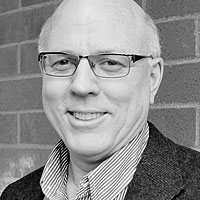
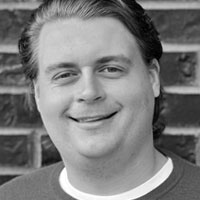
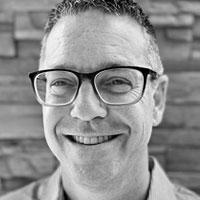
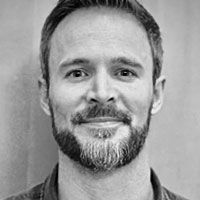
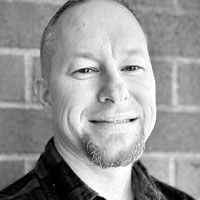
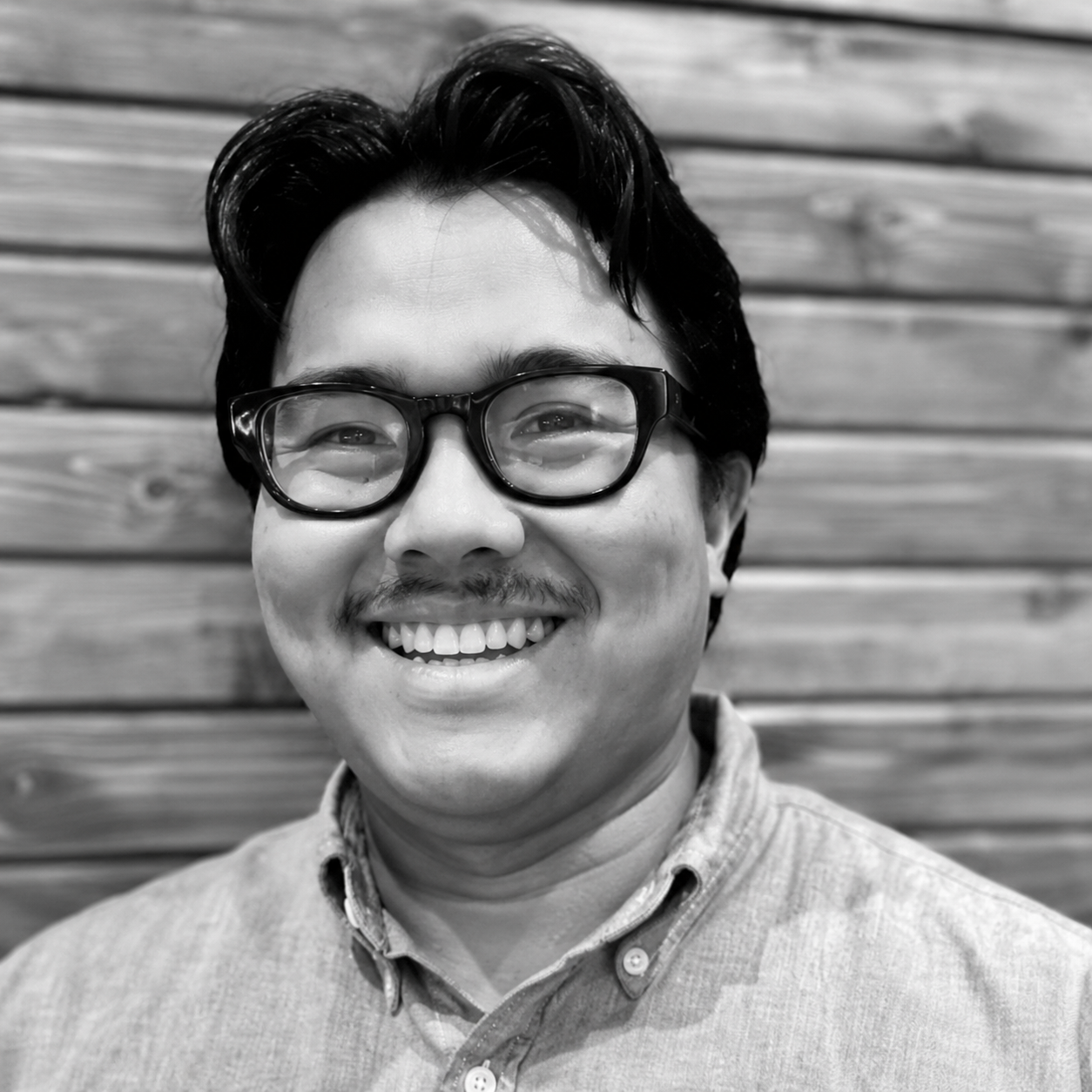
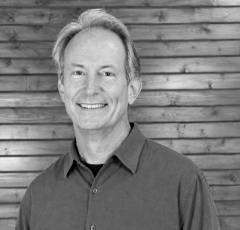
Matthias Williams, LMFT

Matthias William’s Therapist Disclosure Statement <<< (Clickable)
I believe every person brings a unique story, personality, and collection of experiences into therapy. Those experiences shape how we see ourselves, understand the world, cope with difficult situations, and connect with the people around us. My role is to listen to your story with curiosity and without judgment while helping you understand the patterns and experiences that may be keeping you stuck.
Life can leave lasting marks on us. Trauma, loss, anxiety, depression, and overwhelming experiences can affect how we think, feel, behave, and move through the world. Sometimes those experiences are recent; other times, they happened years ago but continue to influence our lives in ways we may not fully understand. You may find yourself feeling overwhelmed, disconnected, constantly on guard, emotionally numb, or simply unable to move forward.
Reaching out for therapy can be difficult, particularly when you’ve spent a long time trying to manage things on your own. I see asking for help not as a weakness, but as an important step toward understanding yourself, making sense of your experiences, and creating something different.
I am a Licensed Marriage and Family Therapist (LMFT) who takes a client-centered, integrative, and trauma-informed approach to therapy. I believe effective therapy should be tailored to the individual rather than forcing everyone into the same approach. I draw from several evidence-based therapies, including Solution-Focused Therapy, Cognitive Behavioral Therapy (CBT), Dialectical Behavior Therapy (DBT), Emotionally Focused Therapy (EFT), and mindfulness-based practices. For trauma treatment, I also utilize Written Exposure Therapy (WET), an evidence-based approach designed to help individuals process traumatic experiences in a structured and focused way.
Much of my work centers on helping people understand how past experiences may continue to influence their present lives. Trauma can affect much more than our memories. It can shape our beliefs about ourselves, our sense of safety, our emotional responses, our relationships, and the ways we cope with stress. Sometimes the ways we learned to cope developed for a very good reason, but may no longer serve us in the same way today. Therapy can provide an opportunity to understand where those patterns came from while exploring healthier and more effective ways of responding.
I don’t believe you need to have everything figured out before starting therapy. We can begin wherever you are. Sometimes that means addressing an immediate problem, learning practical coping skills, or finding ways to manage the challenges you’re facing right now. Other times, it means slowing down and exploring experiences that have been difficult to process. My role is to help guide that process while respecting your pace, your boundaries, and your goals.
I bring a calm, conversational, and collaborative style into the therapy room. I want clients to feel comfortable being honest about what they’re experiencing, including the things that may feel confusing, uncomfortable, or difficult to put into words. You don’t have to perform, have the right answers, or know exactly what you need before you walk through the door. You are the expert on your own experience, and my role is to bring clinical knowledge, perspective, and tools that can help you make sense of it.
My goal is not simply to help you get through the next difficult day. I want to help you develop a deeper understanding of yourself, build effective coping skills, process experiences that continue to affect you, and create new patterns that allow you to move through life with greater confidence and freedom.
I hold specialized training in Dialectical Behavior Therapy (DBT), Cognitive Behavioral Therapy (CBT), Emotionally Focused Therapy (EFT), and Written Exposure Therapy (WET). I am committed to continued professional development and expanding my knowledge and skills, particularly in the area of trauma treatment. I have a particular interest in pursuing additional training in Eye Movement Desensitization and Reprocessing (EMDR) and Brainspotting, with the goal of thoughtfully incorporating these approaches into my practice as I complete appropriate training, develop clinical competency, and gain experience with each modality.
I see professional growth as an ongoing part of being a therapist. I want to continue learning approaches that expand the ways I can support clients working through trauma and difficult life experiences, while remaining thoughtful about each client’s individual needs, readiness, and goals.
When I’m not working, I enjoy spending time with my wife and our three kids, hiking local trails such as Pine Bluff Loop and Liberty Lake Loop, going to the movies, and exploring new restaurants around Spokane.
I’m an introvert at heart and find a deep sense of peace in nature, especially when I’m near water. I also love amusement parks and will rarely turn down a good roller coaster.
And yes, I’m a proud Star Wars nerd.
More than anything, I value being present with my family and making meaningful memories together. Sometimes that means exploring somewhere new, and sometimes it means simply enjoying a quiet evening at home.
Specialties and Areas of Focus
- Trauma & Trauma Recovery
- Anxiety
- Depression
- Grief & Loss
- Emotional Regulation
- Stress & Overwhelm
- Self-Esteem
- Life Transitions
- Family & Relationship Concerns
- Coping & Resilience
Q&A
Q. Some therapists are more comfortable addressing the immediate problem, while others want to focus on the deeper issue. Which are you?
I believe there is value in both. I often begin by understanding what is happening in your life right now and what you would like to be different. From there, we can explore whether there are deeper experiences, beliefs, or patterns contributing to those difficulties. Particularly in trauma work, understanding the connection between past experiences and present-day reactions can be an important part of healing.
Q. Do you tend to lead the session, or follow my lead?
I believe therapy works best as a collaboration. I want to understand what is important to you and where you want to go, while also providing clinical guidance and direction when it is helpful. You are the expert on your own experience, and my role is to bring professional knowledge, perspective, and tools to help you make sense of it.
Q. What are your strengths as a therapist?
I believe one of my greatest strengths is creating a therapeutic environment where people feel safe, heard, and respected. I try to bring a calm and genuine presence into the therapy room. I also value curiosity—rather than simply asking, “What’s wrong?” I want to understand what happened, how it affected you, how you learned to cope, and what you would like your life to look like moving forward.
Q. If you had one superpower, what would it be and why?
The ability to heal people. I think being able to take away someone’s physical or emotional pain would be an incredible gift. I’d like to use it to help people in my community and especially children who are dealing with serious illnesses or circumstances they never should have had to face. I couldn’t help everyone, but knowing I could make a difference in someone’s life would mean a lot to me.
In some ways, that’s part of what drives me to be a great therapist—to be someone who can help people through some of the hardest moments of their lives and hopefully make things a little better.
Q. What makes you laugh?
I enjoy stand-up comedy. My wife and I have seen Jo Koy, Daniel Tosh, Kevin Hart, and Bert Kreischer live. I enjoy being able to sit back, laugh, and not take life quite so seriously for a while.
Q. Who would you have dinner with, dead or alive?
David Crockett. I’d want to hear his stories firsthand and get a better sense of the person behind the legend.