
 MENU
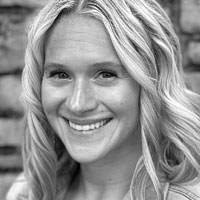
MENUElsa Clark, LMHCA
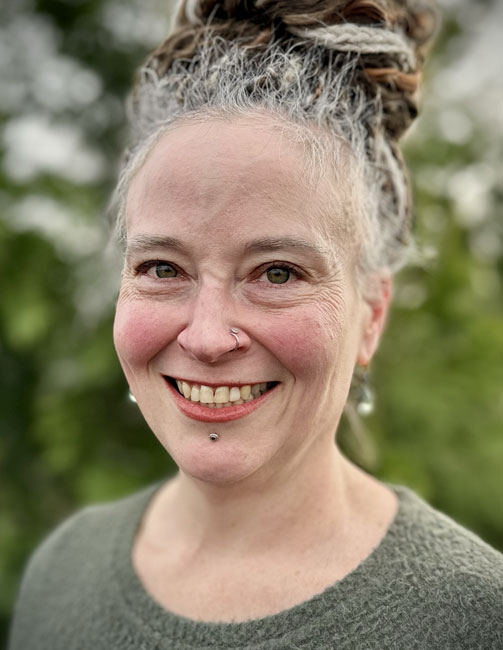
Elsa Clark’s Therapist Disclosure Statement <<< (Clickable)
I believe that connection is at the heart of being human. We are wired for relationship, meaning, and belonging, and when those needs are disrupted—through trauma, loss, chronic stress, life transitions, or difficult relationships—it can leave us feeling overwhelmed, disconnected, or unsure of ourselves. Many people come to therapy feeling exhausted from holding everything together or unsure where to even begin.
Whether you are seeking therapy due to trauma, anxiety, depression, relationship struggles, neurodivergence, burnout, grief, or a major life transition, choosing to begin therapy is a meaningful and courageous step. Therapy offers a space to slow down, become curious about your inner world, and gently explore experiences that may have felt too heavy or unsafe to face alone. My goal is to support you in making sense of what you’ve lived through while building skills and insight that allow you to move forward with greater clarity, self-compassion, and confidence.
I view therapy as a collaborative process rooted in trust and authenticity. Healing happens when clients feel seen, heard, and respected within a safe therapeutic relationship. Together, we work to understand patterns, emotions, and experiences in a way that honors your strengths while also acknowledging areas of pain or struggle. I believe meaningful change occurs when the therapist and client work side-by-side, allowing insight, emotional regulation, and resilience to grow over time.
My approach is person-centered, trauma-informed, and integrative. I draw from evidence-based modalities including Cognitive Behavioral Therapy (CBT), Dialectical Behavior Therapy (DBT), Motivational Interviewing, and somatic and mindfulness-based practices. I also incorporate attachment-informed and neurodiversity-affirming perspectives, tailoring therapy to each client’s unique needs, lived experiences, and goals. Therapy with me is both compassionate and practical—we focus on understanding your story while also building tools you can use in everyday life.
I earned my Master’s degree in Clinical Mental Health Counseling and am a Licensed Mental Health Counselor Associate. I have experience working with adults and teens navigating trauma, anxiety, depression, life transitions, and identity exploration, as well as neurodivergent individuals seeking greater self-understanding and support. I am committed to ongoing learning and professional growth, particularly in trauma-focused and integrative therapeutic approaches.
Outside of the therapy room, I value creativity, connection, and time in nature. I am an artist at heart and believe creative expression can be a powerful tool for healing and self-discovery. I enjoy spending time with my family, being outdoors, and finding moments of grounding and restoration—values I also encourage clients to explore and cultivate in their own lives.
Specialties and areas of focus
- Trauma and trauma recovery
- Anxiety
- Depression
- Life transitions and burnout
- Self-esteem and identity development
- Emotional regulation and distress tolerance
- Relationship and interpersonal challenges
- Women’s issues
- Stress management
- Mindfulness-based coping skills
Q&A with Elsa
1.) Some therapists are more comfortable addressing the immediate problem, while others want to focus on the deeper issue. Which are you?
I believe both are important. Often clients come to therapy because something feels urgent or overwhelming, and it’s essential to address that first so you feel more stable and supported. At the same time, I’m interested in understanding the deeper patterns and experiences that contribute to those challenges. We move at a pace that feels right for you, balancing immediate relief with meaningful long-term growth.
2.) Do you tend to lead the session, or follow my lead?
Therapy with me is collaborative. Some sessions you may want more structure and guidance, while other times you may want space to process freely. I pay close attention to your needs at the moment and adjust accordingly, offering direction, reflection, or skill-building when helpful while always honoring your autonomy.
3.) What are your strengths as a therapist?
Clients often describe me as warm, grounded, and easy to talk to. I am a strong listener and work hard to create a space where clients feel safe being honest and vulnerable. I also enjoy helping clients connect insight with practical tools, so therapy feels meaningful both inside and outside of sessions.
4.) If you had one superpower, what would it be and why?
I would choose the ability to teleport—not just myself, but anyone who wanted to come along. I imagine it working through connection: anyone holding my hand, and then a whole chain of people joined together, moving at once. To me, that reflects how meaningful shared experiences and human connection are. It’s not about escaping or going alone, but about bringing people with you—creating movement, change, and possibility together rather than in isolation.
5.) What makes you laugh?
Dry humor, shared laughter in unexpected moments, and the little absurdities of everyday life. I believe humor—when used respectfully—can be a powerful connector and a reminder of our shared humanity.
6.) Who would you have dinner with, dead or alive?
Artemisia Gentileschi. With my background as a high school art teacher holding an undergraduate degree in art, I have deep respect for her work and her life. She was one of the first female professional artists to gain recognition in a male-dominated world, and her story is one of extraordinary resilience, courage, and self-expression. I would love to hear firsthand how she transformed pain into powerful, enduring art—and how she stayed true to her voice despite immense adversity.